
Earnings Calls: What You Need to Know
Earnings calls are a crucial part of the stock market, offering investors a direct look at a company’s financial performance and future plans. These quarterly events provide insight beyond the numbers in an earnings report, helping traders make informed decisions. At Zentrix.ai, we’re committed t...
- #Stocks Guide
Earnings calls are a crucial part of the stock market, offering investors a direct look at a company’s financial performance and future plans. These quarterly events provide insight beyond the numbers in an earnings report, helping traders make informed decisions. At Zentrix.ai, we’re committed to making financial information more accessible, so let’s break down what earnings calls are and why they matter.
What Is an Earnings Call?
An earnings call is a live discussion where a company’s executives, typically the CEO and CFO, review financial results, highlight key successes or challenges, and answer questions. This process gives investors a chance to hear management’s perspective rather than just reading a report.
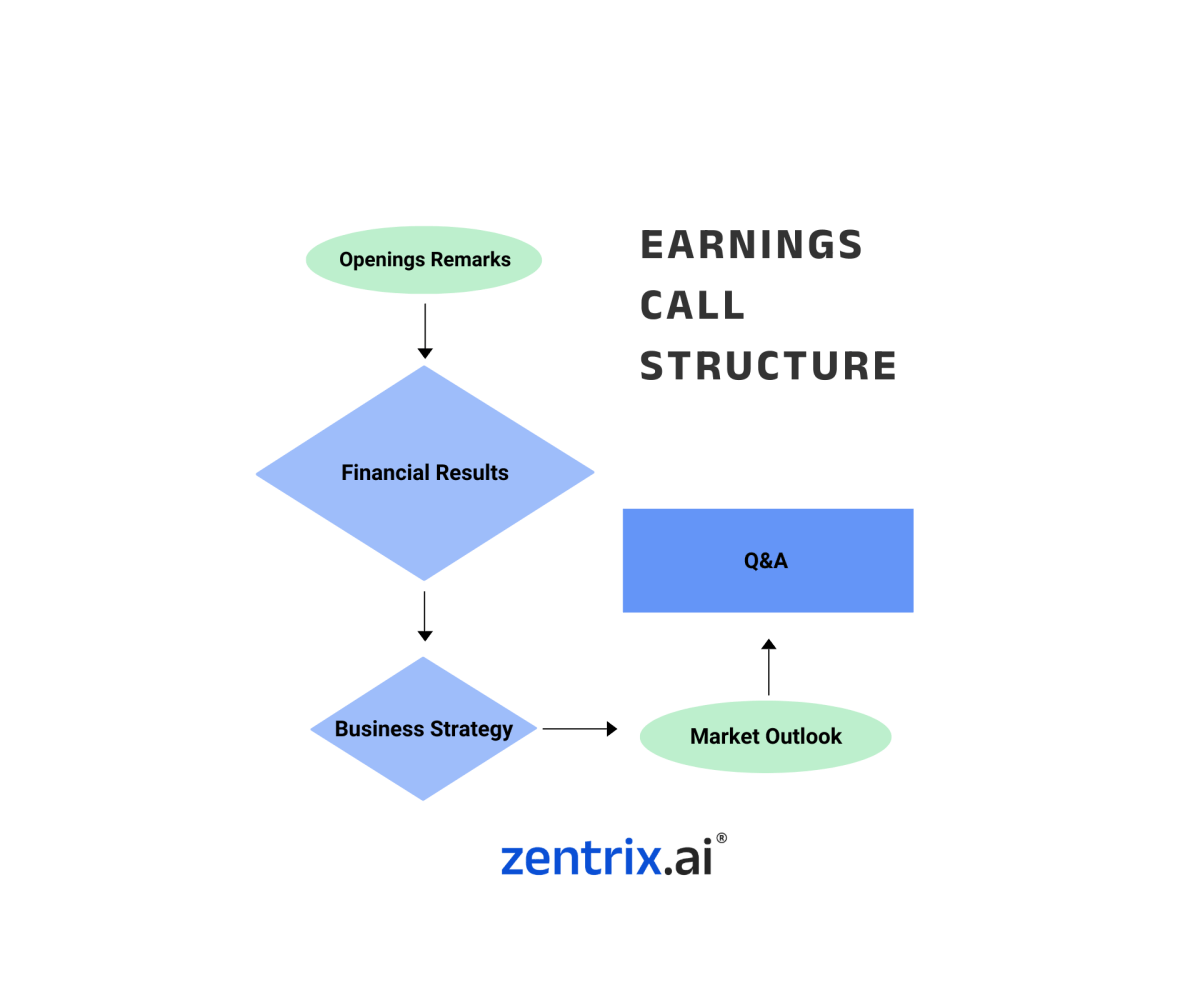
A typical call starts with opening remarks from leadership, followed by a breakdown of revenue, profit margins, and other financial highlights. Then comes the most valuable part, the Q&A session where analysts press executives on details not covered in the prepared statements. For instance, when Apple reports earnings, analysts frequently ask about iPhone sales trends or supply chain challenges, providing insights that aren’t immediately clear from raw financial data.
Why Earnings Calls Matter
Earnings calls offer real-time insight into a company’s health and future. A strong earnings report can send a stock soaring, while disappointing numbers or cautious guidance can trigger sharp declines. This immediate market reaction is why traders closely watch calls from major companies like Tesla or Amazon.
An Executives’ tone and confidence levels can reveal just as much as what’s being said beyond looking at the numbers. A CEO who avoids answering key questions or appears uncertain about the company’s outlook might signal trouble ahead. On the other hand, clear strategic direction and solid financial growth often reinforce investor confidence.
What to Listen For & Interpreting an Earnings Call
One of the first things to analyze is revenue growth and profit margins. A company may report higher earnings, but if revenue growth is slowing or margins are shrinking, it could indicate future trouble. Compare these figures to past quarters and industry peers to determine if the company is maintaining a competitive edge.
Forward-looking guidance is can be more influential on stock price than past results. If a company beats earnings estimates but lowers its future outlook, the stock may still drop. Pay attention to management’s explanations; are challenges temporary, or do they signal long-term issues? For instance, if a tech company warns of declining demand for its products, it could suggest broader industry weakness.
Executives often use specific terms to signal confidence, caution, or uncertainty. Here are some of the most frequently used phrases and what they typically indicate:
Zentrix MCP
Want this wired into your own AI agent?
Zentrix MCP connects Claude, GPT, and Gemini to live market data and analysis, no copy-pasting numbers into a chat window.
Join the waitlist**Positive Signals **
- Strong top-line growth: Indicates solid revenue growth.
- Better-than-expected performance: Earnings exceeded analyst expectations.
- Upward revision to guidance: The company is raising its future earnings forecast.
Cautious or Neutral Signals
- **In line with expectations: **Performance met predictions but didn’t exceed them.
- Managing headwinds: Acknowledges challenges but implies they are being addressed.
- **Softness in demand: **Indicates slowing sales or weaker consumer interest.
**Negative Signals **
- **Challenging macro environment: **Economic conditions are negatively impacting business.
- Lowering guidance: Future earnings expectations have been revised downward.
- **Restructuring efforts: **The company is making major changes, possibly due to poor performance.
Afterward, reviewing transcripts and comparing the latest call with previous ones can help track whether a company is meeting its goals. For example, if Netflix repeatedly struggles to grow subscribers despite optimistic forecasts, it might be a red flag for investors.
Final Thoughts
Understanding earnings calls is a valuable skill for investors looking to make smarter decisions. While they shouldn’t be the only factor in choosing stocks, they provide essential context that financial statements alone can’t always capture. For traders who want to dive deeper, Zentrix.ai offers AI-driven insights that analyze market sentiment and key financial trends in real time.